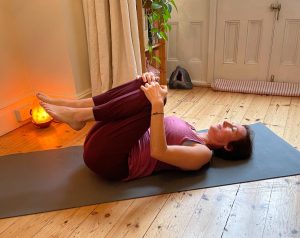
Time between Christmas and early January feels different. My neighbourhood is quiet, people are enjoying the few rays of sun or shielding inside from the cold. We are in the depths of winter and time is holding its breath. This deep silence is like a tidal river arrested between ebb and flow, like the pause at the end of the exhalation. In this time when our routines are suspended, we have the opportunity to look back at the year, become aware of what can be shed, and decide how we want the fresh start to be. If you have decided that your health is a priority, and you have a tight or painful back, this blog is for you. A fragile back can make us feel older and burdened. This blog discusses six fundamental ways of looking after your back in 2026. Whatever else happens in your life, don’t let back pain limit you.
1. Breathe
Changing the way you breathe, freer and with more awareness, will benefit your sense of wellbeing as well as your back. As I have written in this blog: https://beneyoga.co.uk/using-the-breath-to-heal-lower-back-pain-2/, the diaphragm is connected to the spine and to major back muscles. This large respiratory muscle is also entwined with our stress levels. By learning to free and calm our breathing, we can relax muscular tightness, emotional turmoil and mental stress. My previous blog goes into more depth, but here is a practice to do right now:
Sit on a chair with your feet flat on the floor. Feel both sitting bones on the chair, the hips heavy. Breathe out and allow the hips to feel heavy on the chair. As you breathe in, feel how the crown of your head is gently pulled upwards.
Place two hands on your lower abdomen and observe your breath. If you don’t feel this area of your abdomen move, simply keep paying attention to it. Imagine that the warmth of your hands is allowing this area to relax, inviting the breath to move it.
Breathe like this for a few minutes, at least once a day. Not only will you feel calmer, but your back will feel more relaxed too.
If your back is very painful, it is better to practise this abdominal breathing lying down.
2. Stay mobile
Long-term tight back muscles can cause pain and limit your movements, eventually leading to possible misalignement, nerve compression, or wear and tear. Therefore, looking after your back means staying mobile, using the muscles in an intelligent and comfortable way. It doesn’t mean doing sporadic exercise, but moving your spine in all directions every single day. You can even do that sitting in a chair.

Resolve never to sit for too long. Get up every half hour if you can, to loosen up your body. Also walking every day is fantastic. Do it for the length of time that’s right for you. If a long walk is too daunting, try several shorter ones.
One simple but effective yoga movement to keep your spine mobile is the s0-called ‘chakravakasana’, the cat-cow movement:
Start on all fours:
Inhale and lift the chest. In this “cow pose” don’t strain the neck by lifting the head too much: rather keep looking down and forward to lengthen the back of your neck.

Exhale and arch the back up, bringing the navel up towards the spine.

Inhale to the cow pose.
Exhale to child’s pose.
The order of the three poses is: cow – cat – cow – child. Repeat this sequence 3-5x
This previous blog discusses the other important ways in which you can mobilise your spine: https://beneyoga.co.uk/practice-to-keep-your-back-mobile/.
3. Work on strength
Strength becomes almost more important than flexibility as we age. We need strong muscles to support our joints and keep our posture and movements aligned. I have written many blogs about core strength, glute and back strength. This previous blog describes a yoga movement for back and core strength: https://beneyoga.co.uk/strengthen-your-upper-and-lower-back/ .
The ‘warrior lunge’ pose in the picture below combines strength, mobility and balance. I will write about it more in a next blog about balance.

4. Make daily movements intelligent for your body
Even if you do one hour of yoga every day, you won’t help your back if you are not careful with other movements during the rest of the day. Picking things off the floor is a classic example, and we have to do this so often during the day. Subscribing to this blog will give you my “Keep Your back safe at Home Guide”, which helps you perform daily movements in a safer way for your back.
Walking is another activity we often do in a lopsided way. If you habitually place one foot or both feet turned out to the side, for example, this will have an effect on your ankles, knees, hips and back. This blog tells you more about how to improve your walking for a healthy back: https://beneyoga.co.uk/correcting-bad-posture-walking-exercises/.

5. Become aware of your sitting and standing posture
Our spine is healthy when it can be elongated. This means that the vertebrae and intervertebral discs have space and are not squashed anywhere. Repeated slouching, standing with a forward head, standing on one leg are examples that can result in wear and tear or even a slipped disc. Variation in movement together with awareness of how we stand or sit will help you keep your spine healthy for a long time. I have written more about standing posture here: https://beneyoga.co.uk/posture-most-important-for-healthy-ageing/.
6. Improve your sleeping position
Finally, we spend many hours lying in bed. Sleeping on your front is difficult for the lower back and neck, sleeping on the side may cause problems for the SI joints and hips if they are not properly supported. The picture below shows a nicely supported position to sleep in if you have lower back pain or hip pain. This other blog will tell you more about it here: https://beneyoga.co.uk/best-sleeping-positions-for-people-with-back-neck-or-hip-pain/.

And of course, if you would like to learn more and receive your own yoga therapy programme, my back care package teaches you the particular movements that you need to strengthen, release muscular tensions and free your breath. Contact me on the contact page or book a free Zoom consultation here: https://beneyoga.co.uk/book-a-free-consultation-call/.
Namaste
Written by me, perfectly imperfect without AI