Yoga on holiday

  • Post author:

yoga on holiday

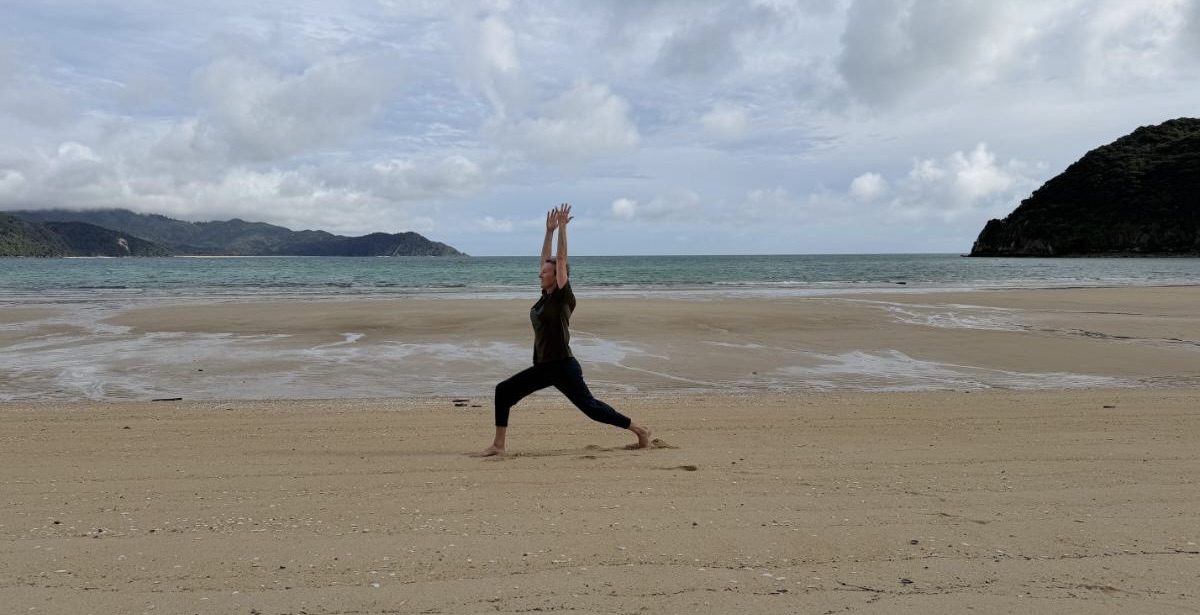
Last year, I travelled to the other side of the world. Having never visited this country before, I didn’t know what to expect, or how I would feel in this new place. It seemed to me I had to leave myself behind, and just take a suitcase to this unchartered territory. Yoga came along, of course. I had no choice: what you practise stays with you. It turned out that calm yoga breathing, gentle muscle releasing, and mindfulness were very welcome companions. This blog is an invitation to reflect how yoga can help you when you are in an unfamiliar place. ‘Yoga on holiday’ is meant to inspire you to take some of your favourite yoga techniques with you as travel mates. Different yogic practices can improve our experience, making us physically more comfortable, mentally more curious and emotionally more relaxed. Finally, travelling can also enhance our yoga practice.

(more…)

Continue ReadingYoga on holiday

How slow breathing can help us manage pain

  • Post author:

how slow breathing can help us manage pain

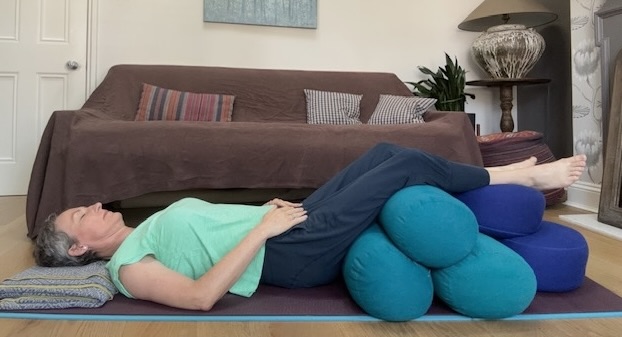
I have been struggling with hip pain and sciatica. While waiting for the pain to subside, I have been very grateful for yoga. Small, mindful movements in coordination with the breath, and restorative rest positions are helping me through this challenging period. On top of that, it is simple, slow breathing that is helping me most mentally. When the body is in pain, the mind tends to run away with fear. We ask ourselves whether this pain will ever end. What if we can never go back to the life that was lived so carelessly? Whereas the stress of these worries can make the pain worse, breathing relaxes the mind, and anchors us in the present moment. This blog explains how slow breathing can help you manage pain and gives you some breathing techniques to try. Regularly paying attention to the breath can make us feel more relaxed and give us the courage to carry on.

(more…)

Continue ReadingHow slow breathing can help us manage pain

Yoga therapy for herniated discs

  • Post author:

yoga therapy for herniated discs

If you have ever had a herniated or slipped disc, you know how excruciating this kind of lower back pain can be. With shooting or burning pain down your leg, this crippling condition can put you out of action for at least a few weeks. In the best possible scenario, a slipped disc is diagnosed early and you learn which movements can help heal your spine. If you don’t change your movement habits, however, you may suffer long-term pain and eventually further deterioration of the spine. Yoga therapy for herniated discs can teach you which movements to avoid and which practices are suitable for each stage of the recovery. It also includes relaxation and breathing techniques, which are important to deal with the stress and the intense pain that this condition causes. In this way, yoga therapy offers a valuable, complementary support to physiotherapy or other back pain therapies. Read on to learn more about herniated discs and sciatica, and to find a rest position that may be soothing.

(more…)

Continue ReadingYoga therapy for herniated discs

Yoga therapy for kyphosis, a rounded upper back

  • Post author:

yoga therapy for kyphosis, a rounded upper back

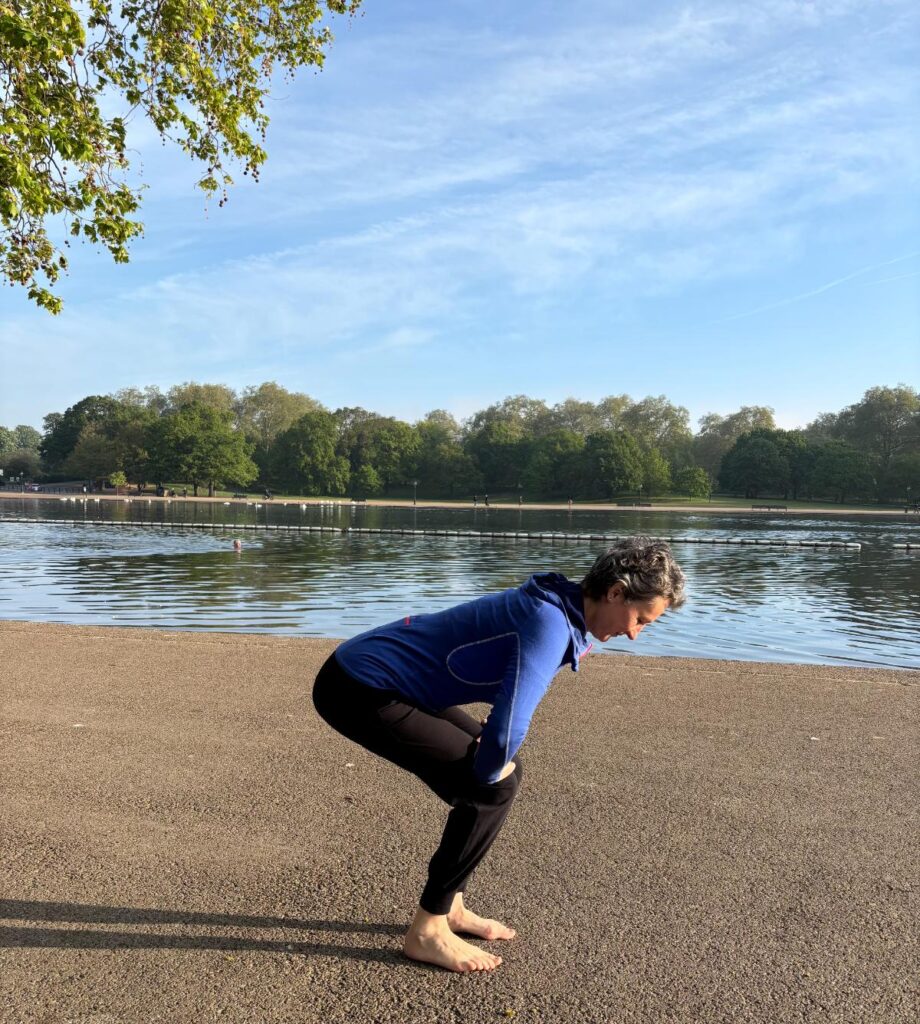
To find a person with a perfect posture is quite rare. Young children usually start with an effortless and beautiful posture. But then, life happens. Lack of confidence, genetics, injuries, holding patterns, imitating other postural habits, stress: there are many reasons why we lose a balanced posture. One gradual postural change is rounding the spine forward. This pattern is most noticeable in the upper back, and called kyphosis or hyper kyphosis. Yoga practices can often reverse it or at least prevent further deterioration. This blog about yoga therapy for kyphosis, a rounded upper back, examines some causes of this postural change, what a good posture consists of, and how you can look after your upper back with yoga.

(more…)

Continue ReadingYoga therapy for kyphosis, a rounded upper back

Preventing osteoporosis: how yoga can help

  • Post author:

preventing osteoporosis

The previous blog discussed how yoga can be part of a programme to counter bone loss, and revealed the yoga poses that are unsafe once you have been diagnosed with osteoporosis. But if you are in the fortunate position of not having either osteoporosis or its precursor osteopenia, this blog is for you. In this article about preventing osteoporosis, I look at the factors that contribute to bone loss, and guide you through some yoga poses that can help strengthen muscles and bones.

(more…)

Continue ReadingPreventing osteoporosis: how yoga can help

Healthy ageing: yoga for osteoporosis and osteopenia

  • Post author:

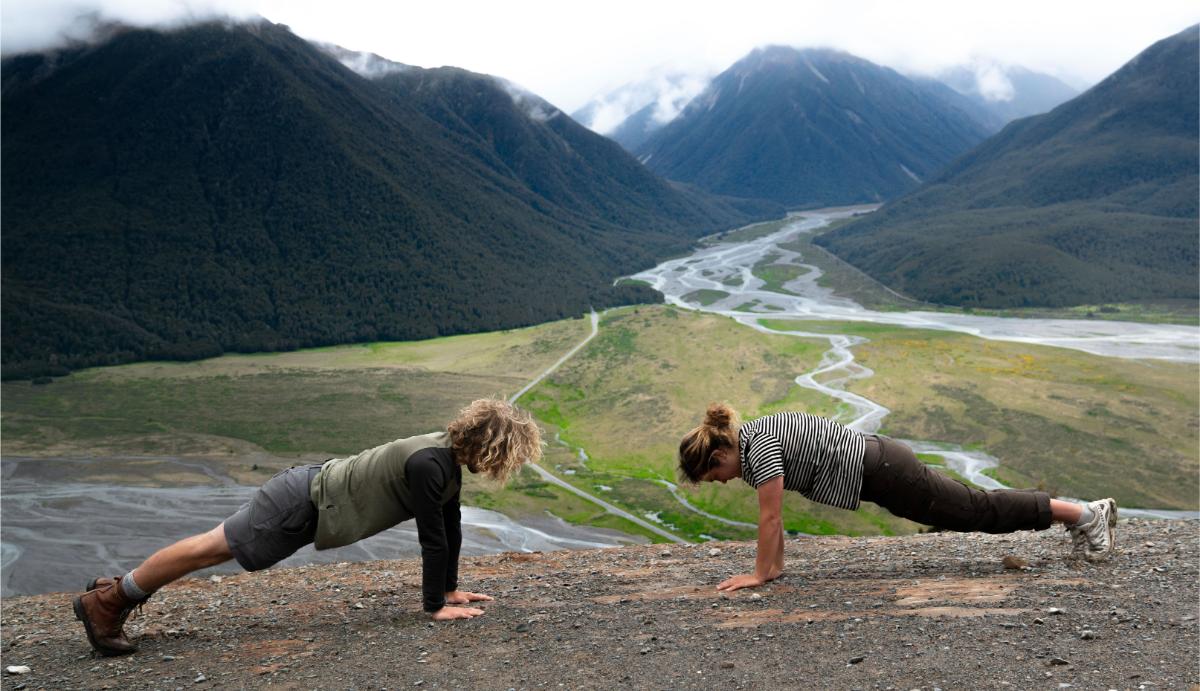
Our bones may seem rigid, but they are constantly changing: broken down by bone cells called osteoclasts and rebuilt by other bone cells called osteoblasts. Unfortunately, several factors can cause the osteoclasts to outdo the osteoblasts. Age, for example, causes our bones to become thinner. When the risk of breaking bones is at a critical level, we have osteoporosis. Osteopenia is its precursor. Osteoporosis is sometimes called the “silent decease”, because it doesn’t hurt and we’re not aware of our bone strength until we have a bone density scan or break a bone. In order to prevent and even reverse bone loss, we are told to do weight-bearing exercise. However, this does not only mean lifting weights. Yoga can be an effective form of exercise to prevent and manage osteoporosis. This blog about yoga for osteoporosis and osteopenia explores how yoga can build strength in bones and help prevent falls.

(more…)

Continue ReadingHealthy ageing: yoga for osteoporosis and osteopenia

Yoga Therapy for Osteoarthritis of the Spine

  • Post author:

osteoarthritis of the spine

Osteoarthritis is a common form of joint deterioration that may come to challenge us as we age. While most common in the knee and hip joints, osteoarthritis can also affect the spine. Our spine has 24 moveable vertebrae that are linked together by 4 facet joints each. The potential for these joints to develop osteoarthritis and cause pain and stiffness is considerable, especially in the neck and the lumbar area of the spine. On top of that, the spine houses the spinal cord, which branches into the nerve pathways that connect our brain with the rest of the body. Any narrowing of the joint space or deterioration of the joint structure can press on the nerves and result in nerve pain down one or both arms or legs. Yoga for osteoarthritis of the spine aims to create more space around the joints by aligning the spinal curves and increasing flexibility of the spine and nearby joints.

(more…)

Continue ReadingYoga Therapy for Osteoarthritis of the Spine

Five Days of Gentle Core Strengthening

  • Post author:

gentle core strengthening

Spring is an excellent time to move more, eat less rich foods, and generally look after ourselves. Because I focus on back care, my suggestion in terms of physical practices would be to include strengthening. This blog will focus on core strengthening, as healthy and strong core muscles are essential for back support. This is not about having a six pack. After all, overly trained abdominal muscles don’t necessarily respond when they are needed. They can even become weak or hinder breathing and digestion. Healthy core muscles can contract and release, and engage to keep the body balanced during movement. The core strengthening practices below are gentle, practiced in coordination with the breath and also involve whole body movement. Whether you have back pain or not, these gentle core strengthening practices can help you stay more mobile, aligned and strong.

(more…)

Continue ReadingFive Days of Gentle Core Strengthening

Joint-freeing practice for healthy ageing: mother’s day special

  • Post author:

joint freeing practice for healthy ageing

We may not all be a mother, but we all have a mother. Whether you’ve known her or not, whether she’s still alive or not, mother’s day celebrates the fact she gave life to you. What happened after that has much to do with circumstances, and doing what one thinks is best. I have been very lucky with my mother, who was always there for me, despite having a disabled son, a full-time job and a husband who often worked abroad for the family. She may not always have understood why I chose to teach yoga, but my mother now does her yoga practices every day. She swears they take away the pain in her joints. It is her joint-freeing practice that I would like to share with you today. Here’s to mothers, healthy joints and yoga for all ages!

(more…)

Continue ReadingJoint-freeing practice for healthy ageing: mother’s day special

Morning Routine for Achy Joints

  • Post author:

morning routine for achy joints

There are many reasons why you could wake up feeling tight and achy in the morning. They don’t have to be serious. When you have been lying still for a long time, already tight muscles tend to tighten more. Then again, you may have slept on an uncomfortable mattress or in an awkward position. Apart from these straightforward reasons, there are health conditions that will make you feel particularly tight upon waking. This blog discusses these health challenges, and provides a morning routine for achy joints that could benefit all. Moving your body gently in the morning can help you keep your mobility, flexibility and stability in the long term, as well as make you feel much better overall.

(more…)

Continue ReadingMorning Routine for Achy Joints