Last year, I travelled to the other side of the world. Having never visited this country before, I didn’t know what to expect, or how I would feel in this new place. It seemed to me I had to leave myself behind, and just take a suitcase to an unchartered territory. Yoga came along, of course. I had no choice: what you practise stays with you. It turned out that calm yoga breathing, gentle muscle releasing, and mindfulness were very welcome companions. This blog is an invitation to reflect how yoga can help you when you are in an unfamiliar place. ‘Yoga on holiday’ is meant to inspire you to bring some of your favourite yoga techniques along as travel mates. Different yogic practices can improve our experience, making us physically more comfortable, mentally more curious and emotionally more relaxed. Finally, travelling can also reshape our yoga practice.
Being open-minded and non-judgemental
One of the main purposes of doing yoga is to quieten the mind, according to Patanjali’s yoga sutras. When we practise yoga, we are required to simply observe, listen to the body and the mind without judging. Indeed, the body responds best when we move without forcing, and allow change without pressure. This attitude of simply witnessing goes very well with travelling. After all, leaving our familiar surroundings forces us away from repetitive thoughts and daily routines. It invites us to discover. When we don’t judge, we may learn to love something very different.
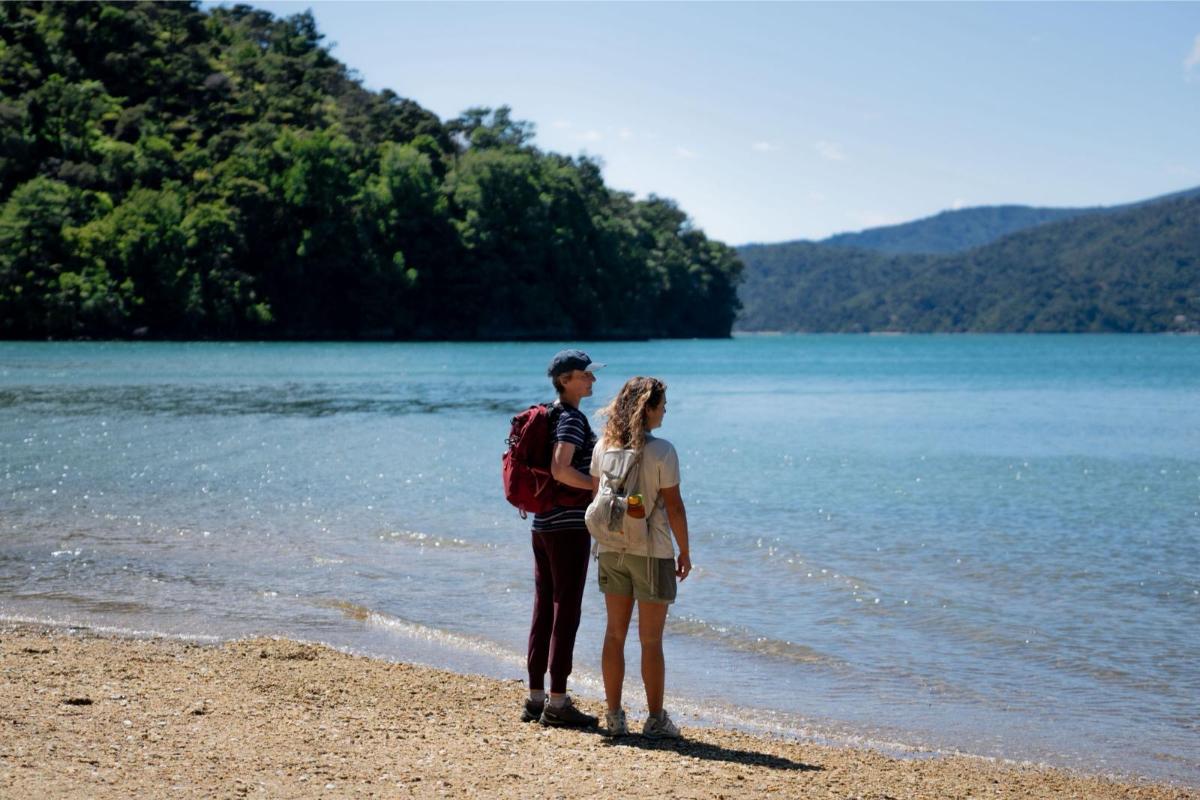
The non-judgmental yogic attitude serves us well while traveling, so we can meet new places and new people with curiosity. If we were to approach these new places and people with pre-conceived ideas, it would be like seeing the world with coloured glasses. To a certain extent, our culture and upbringing will always give us coloured glasses. However, the ability to quieten the mind and observe without judgment gives us the best chance to see things as if for the first time.
Slowing down
When we travel, we can use our time differently. There’s no need to rush to the next meeting or the next class. Ideally, we don’t rush from one tourist attraction to the other either. To genuinely discover new things, in our yoga practice or on holiday, we have to slow down. When we feel less rushed, we can truly experience.
Watching the breath compels us to slow down, to take a step back and learn. It also helps us stay calm, especially when we have practised it many times before. Practising slow, mindful breathing while you are waiting for a flight or train is a very good use of time. It is especially helpful when there are delays!
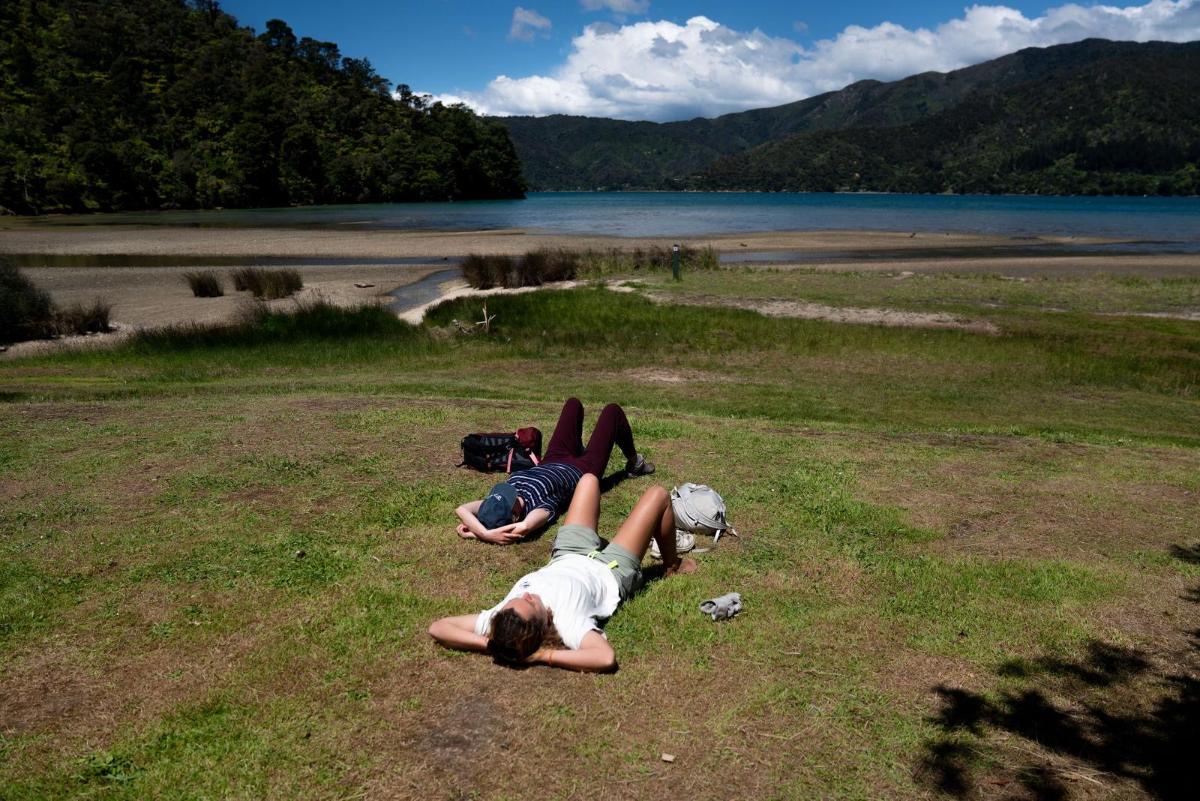
You can practise mindful breathing right now:
Simply observe the quality of your breath:
Does it feel smooth or jerky?
Is the rhythm of your breath slow or fast?
Does the exhalation last longer than the inhalation?
Keep watching your breath for a few minutes.
While you are observing your breath, is it changing? How does it feel to simple witness your breath without forcing it to change? Continue for another few minutes, experiencing one breath at a time.
Playfulness
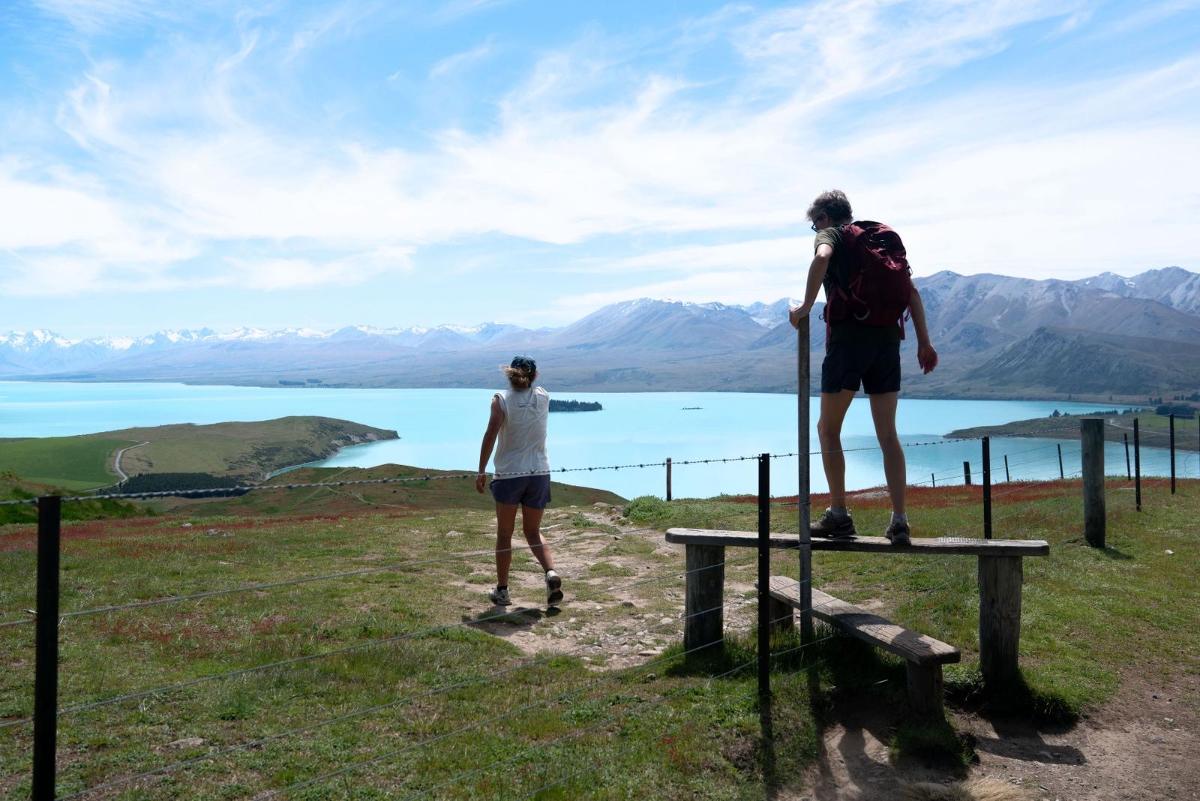
Change is inevitable. Life transforms us, and so our yoga practice needs to be flexible enough to adapt. The yoga you did as a young person is not the same as what you prefer and need when you get older. Even every day the poses feel slightly different, as the body responds to the demands of the moment. Likewise, if your holiday is very active, your yoga time is bound to be different and ideally compliment the activities of the day. I have written several blogs on what to do after long walking, especially if you tend to have back pain. You can find one here: https://beneyoga.co.uk/essential-leg-and-knee-stretches-after-long-distance-walking/.
Physical ease
Travel usually involves many activities that we are not used to and that can strain the body. Walking more, driving, sitting and sleeping in different beds often result in muscle tightness or even back pain. Practising some gentle yoga stretches at the end of the day or first thing in the morning, can ease discomfort, mobilise a rigid back or release tight legs.
The areas of the body that take most strain depend on the activity and on the individual. Whether I walk a lot or sit for a long time, I usually feel tight along my back and legs. So there are two yoga practices that are daily essentials. I explain them below. If you would like to have your own ‘travel programme’, some basic stretches that keep you going, whether you are travelling or not, you can contact me here: https://beneyoga.co.uk/book-a-free-consultation-call/.
Standing stretch
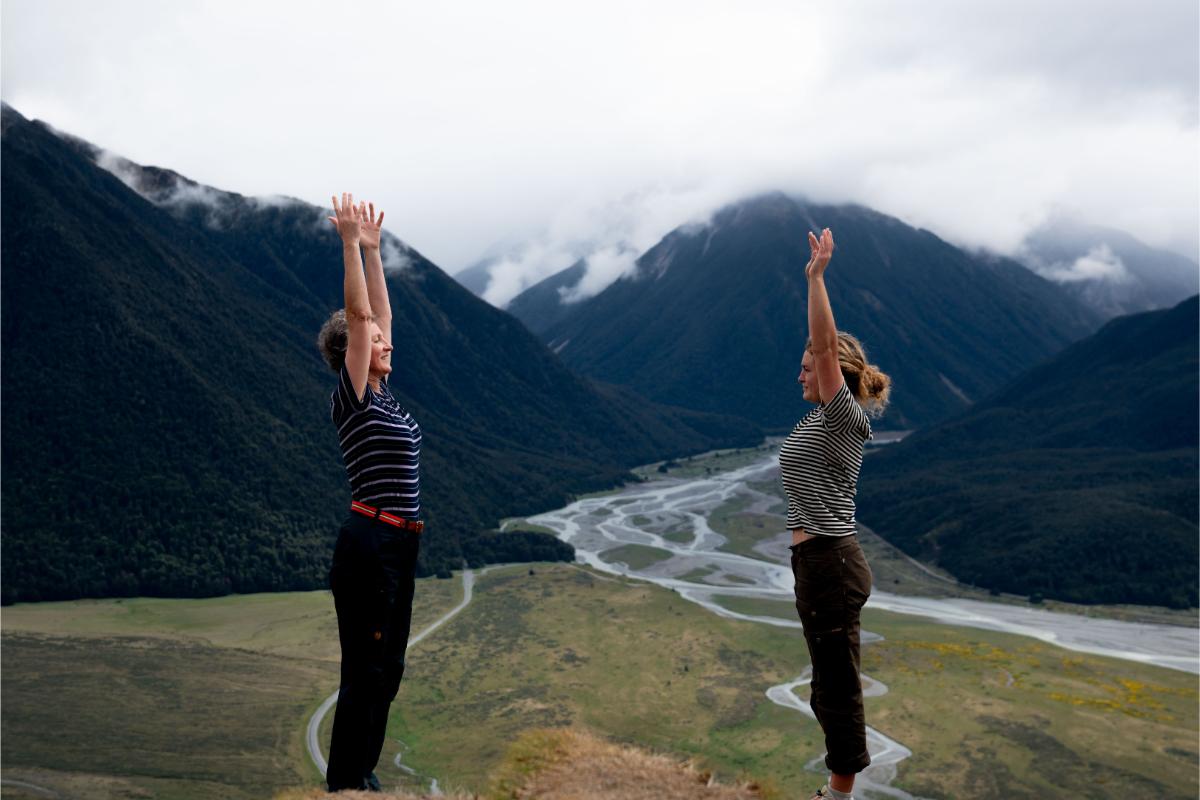
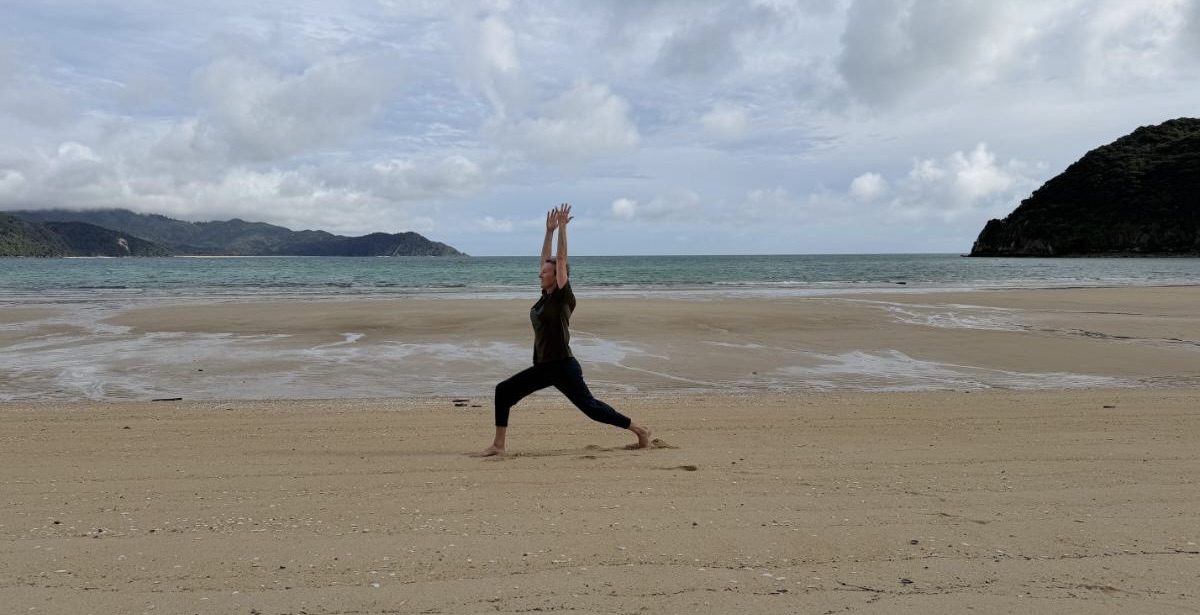
This stretch you can do anywhere. It lengthens the spine and stretches the shoulders, and is especially nice after a long period of sitting.
Start with your feet hip-width or a little wider apart. Feel the weight of your body equally distributed over the four corners of your feet.
As you inhale, gently engage your abdominal muscles. This prevents you from leaning forward and collapsing the lower back as you raise your arms.
Exhale and lift both arms overhead or to wherever they will go in front of you. You can also do this with interlaced fingers.
Stay for a few breaths before lowering your arms.
Stretching the back of the legs
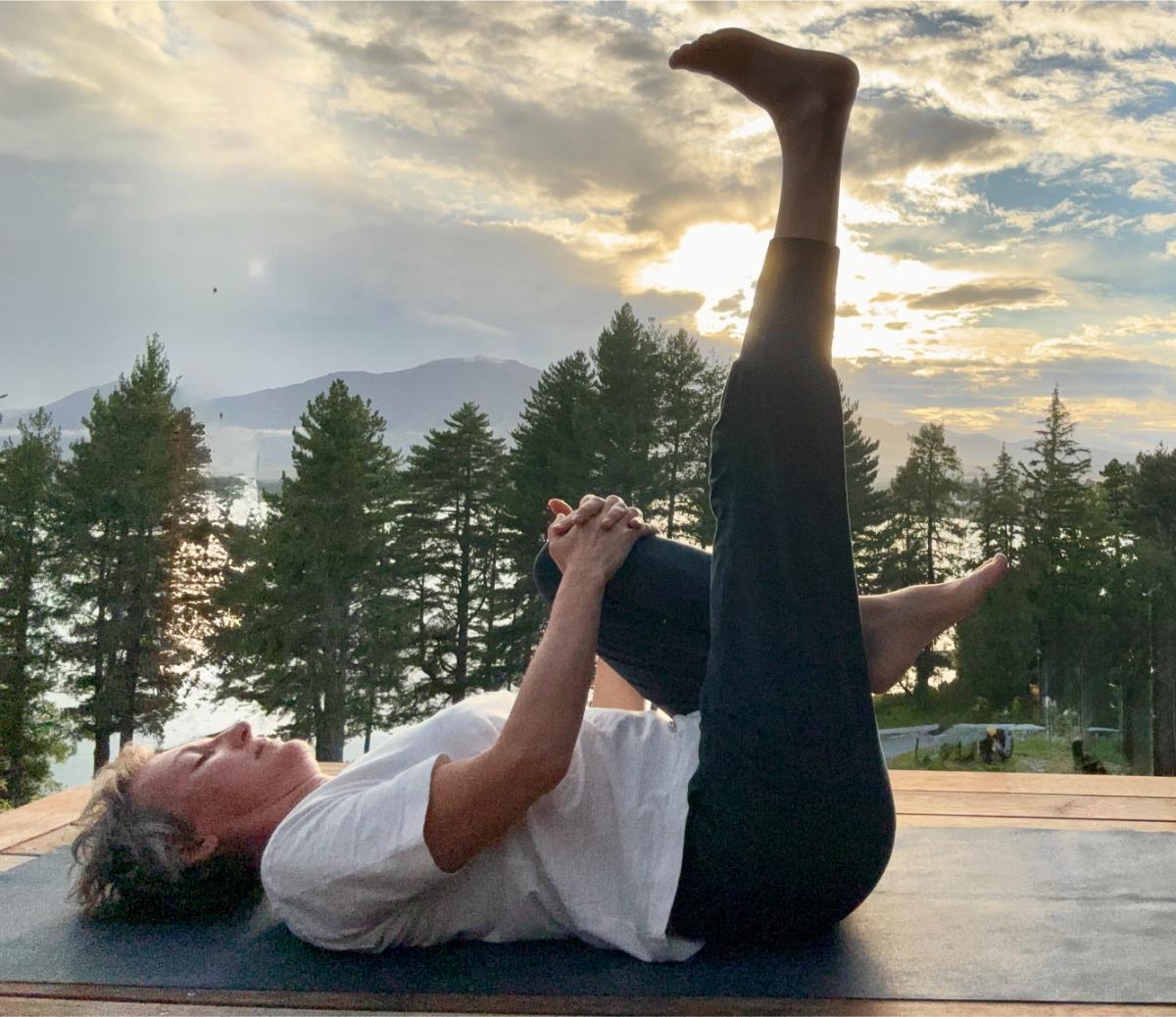
My hamstrings have never been very long. A long walk or extended periods of sitting will make them feel even tighter. This practice to stretch the back of the legs will also have a releasing effect on the back, provided you approach the stretch with ease. Strong ‘pulling’ on muscles will never have a good effect.
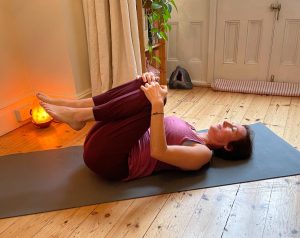
Lying on your back with both knees bent up to the chests, hold one knee with both hands.
Exhale and straighten the other leg. Inhale and bend it a little, so as not to make it into a rigid stretch. The leg does not have to point straight up to the sky. Explore where your leg is comfortable but still giving you a nice stretch.
Throughout the movements, keep your back relaxed on the floor; allow it to feel heavy and wide.
Repeat five times with both legs.
Happy travelling, near or far!
Namaste